


Hairpin Winding Solutions for R&D to High Volume Lines
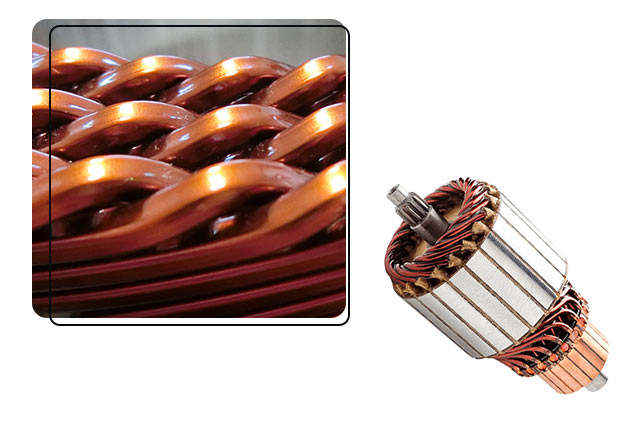
Odawara offers multiple hairpin winding machine solutions for all customer needs, from R&D scale machines to high-volume manufacturing lines. Complexity in the stator design can be managed by utilizing different coil forming, alignment, and insertion processes.
Insulation paper is formed to U, S, or B shape per stator design and inserted to each slot. Hairpin coils are formed and enamel is removed mechanically or by laser. Coils are aligned per customer winding pattern and inserted simultaneously. Coils are twisted using Odawara’s proprietary technology, allowing for minimal end turn heights. Coil ends are welded per customer requirements using laser or TIG welding technologies.
Odawara offers fully automated and semi-automated systems. Modular technologies are used that allow for scalability and flexibility.
Additional capabilities can be included per customer requests including:
- Laser part etching
- In line part inspection
- Electrical testing
Why Choose Hairpin Winding
Hairpin winding is a high-performance stator winding technology that uses rectangular hairpin conductors instead of traditional round wire. This method enables higher slot fill factors, greater copper utilization, and excellent electrical characteristics–making it a leading choice for modern electric motors used in EVs and other high-efficiency products.
Hairpin winding is ideal for your applications that require:
- High copper slot fill factor
The flat hairpin conductors pack more copper into each slot than conventional round wires, improving power density and reducing resistance. - Improved electrical performance
Greater copper content and optimized conductor geometry help lower DC resistance and support higher efficiency in traction and industrial motors. - Thermal efficiency and cooling performance
Better conductor packing also enhances thermal pathways and heat dissipation, contributing to stable motor operation under load. - Automation-ready production
Hairpin winding processes (including forming, insertion, twisting, and welding) lend themselves to high-speed, automated manufacturing lines for R&D through high-volume production
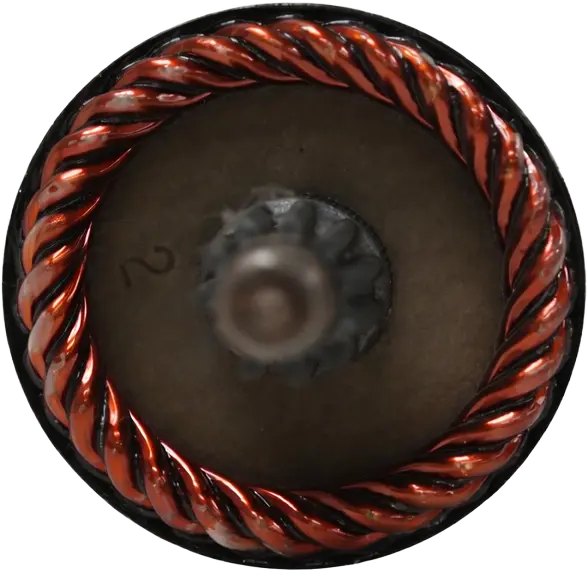
| Stator OD | 160 – 300 mm |
|---|---|
| Stator ID | 100 – 250 mm |
| Stator Height | 35 – 200 mm |
| Number of Slots | Any |
| Number of Layers | 2 – 10 |
| Wire Dimensions | Up to 6.5 x 4.5 mm |
These are typical product sizes. The capability of the machines to manufacture each stator depends on a number of factors including end turn dimensions, winding pattern, bus bar design, etc. Please contact an Odawara sales representative with your unique requirements.
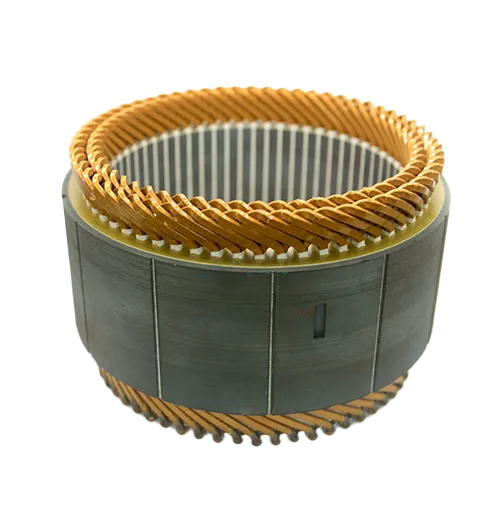
Products Manufactured with Hairpin Winding Machine Technology
Hairpin winding machines are used to form, align, and insert hairpin coils into a stator design with precision and efficiency. This technology is essential in manufacturing electric motors and components found in electric vehicle applications. Through our advanced hairpin winding solutions, manufacturers have increased production, enhanced quality, and achieved greater automation for high-volume manufacturing lines.
See the chart below for examples of products with an electric motor commonly manufactured with hairpin winding technology.
| Automobiles | EV Motor Drive/Generator, EV Motor Drive, ISG, Alternator |
|---|
Typical Manufacturing Line Structure


Core Supply
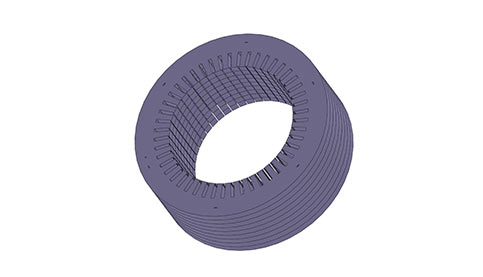
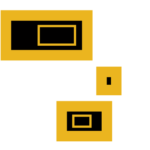
Insulation Paper Insertion
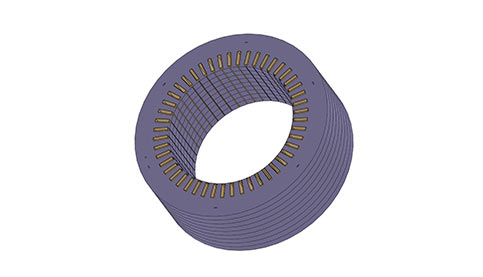
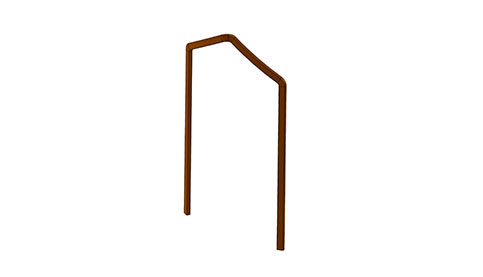
Coil Forming
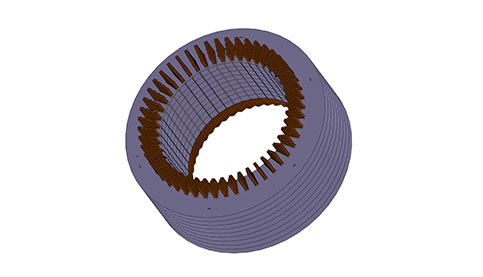
Coil Placement/Insertion
Coil Twist
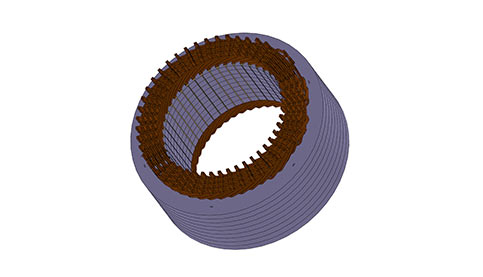

Coil Weld
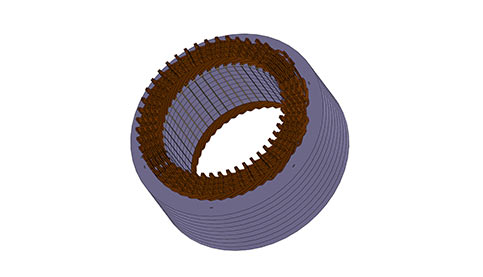
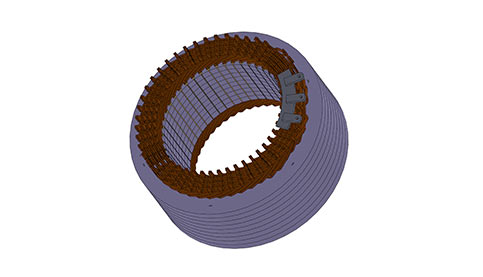
Bus Bar Weld

Tester
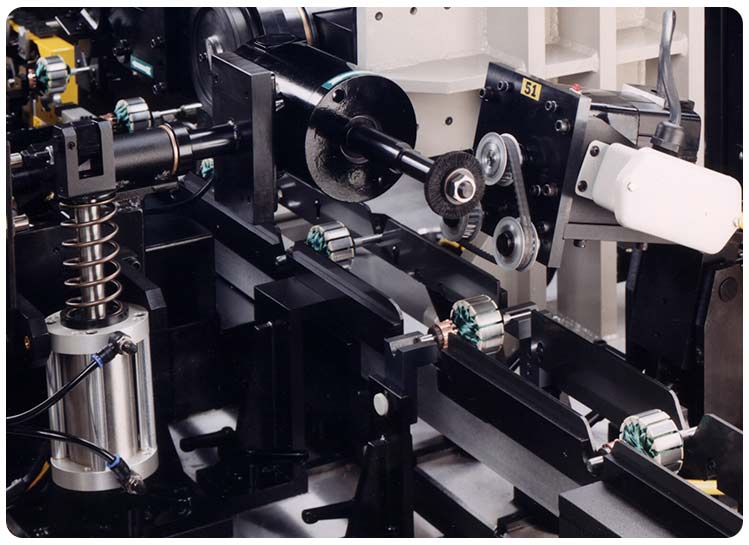
Automation and Material Handling
Increase efficiency even further with automation and material handling solutions by Odawara Automation. Our services include:
- Material Handling
- Dunnage Load/Unload
- Automated Machine Load/Unload
- Robotic Systems
- Test Equipment
- Part Transfer Systems: Conveyors and Transfer Pallets
- Vision/Inspection Systems
- Quality System Integration: Manufacturing Operating Systems (MOS) and Manufacturing Engineering Systems (MES)